
How to Pack a Tailored Suit
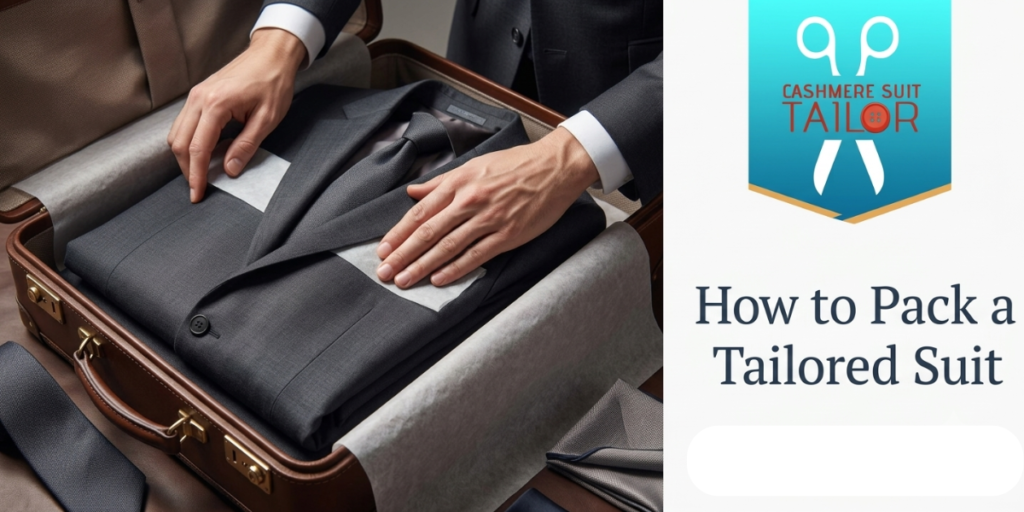
A custom-made suit represents hours of careful tailoring, precise measurements, and quality fabric selection. Improper packing can undo all that effort, leaving fabric wrinkled, shoulders misshapen, or seams stressed before the suit is even worn. Learning how to pack a suit for travel properly ensures the garment arrives in the same pristine condition it left the tailor’s shop, whether flying home from a tailoring trip or heading to a business event.
Choose the Right Garment Bag
A dedicated garment bag remains the safest starting point when figuring out how to pack a suit for travel without damage. This matters more than most travelers realize. According to a luggage industry report, 41% of frequent travelers have experienced some form of luggage damage in the past year, with nearly a quarter of cases linked to mishandling during transit.
Breathable garment bags made of canvas or cotton allow air circulation and prevent moisture buildup, unlike plastic covers that trap humidity.
Garment bags with a fold-over design also reduce the number of creases formed during transit, especially useful for wool or cashmere suits that hold shape memory and show pressure marks easily.
Fold, Don’t Crumple, the Jacket
The jacket deserves the most attention when working out how to pack a suit for travel efficiently. Turning one shoulder inside out and folding the jacket in half along its natural seam prevents sharp creases across the chest and lapels. Placing tissue paper inside the folds adds cushioning and reduces friction between fabric layers. Never stuff a jacket into a suitcase corner, as this creates permanent shoulder dents that are difficult to steam out later.
Rolling vs Folding Trousers
Trousers respond differently depending on fabric weight, which matters when planning how to pack a suit for travel across varying climates. Lightweight wool or linen trousers can be rolled loosely to minimize creasing, while heavier wool or cashmere blends hold their shape better when folded along the natural crease line. Placing trousers between layers of soft clothing, such as t-shirts, adds extra padding and prevents sharp fold lines from setting into the fabric during a long flight.
Use Tissue Paper Strategically
Acid-free tissue paper acts as a buffer between fabric folds, preventing hard creases and reducing friction that can cause pilling on delicate fabrics like cashmere. Stuffing sleeves lightly with tissue also helps sleeves retain their round shape rather than flattening. This small step, often overlooked when learning how to pack a suit for travel, makes a noticeable difference when unpacking after a long journey.
Pack the Suit Last
Suits should always go into the suitcase last, sitting on top of folded clothing rather than underneath heavier items like shoes or toiletry bags. It’s a habit backed by data: industry research on business travel gear shows that business travelers increasingly prioritize garment folders and wrinkle-reducing compartments over other luggage features, reflecting how much travel-related creasing concerns frequent flyers. This placement is a key part of how to pack a suit for travel without crushing, and keeps the suit accessible for quick removal upon arrival.
Consider Carry-On for Short Trips
For short trips or when traveling directly from a fitting, carrying the suit onboard eliminates the risks associated with checked baggage handling. Many garment bags fold into a size suitable for overhead compartments. This option works particularly well for suits collected just before a flight, avoiding unnecessary handling during the most vulnerable period after tailoring.
Steam, Don’t Iron, Upon Arrival
Once unpacked, a garment steamer works best for removing travel wrinkles without flattening the natural drape of tailored fabric. Ironing directly on wool or cashmere can create shine marks or damage delicate fibers. Hanging the suit in a bathroom during a hot shower also loosens minor creases naturally, restoring the suit’s shape before wear.
Conclusion
Knowing how to pack a suit for travel correctly protects the investment made in quality fabric and expert craftsmanship. Simple steps like using a garment bag, folding strategically, and steaming upon arrival preserve the suit’s original fit and finish, ensuring it looks as sharp at the destination as it did the day it was collected. The same care applies to custom-tailored shirts in Phuket, which deserve equally thoughtful packing to maintain their fit and finish long after the trip ends.
FAQs
Q: Can a tailored suit be packed in a regular suitcase?
Yes, but it should be folded carefully with tissue paper padding and placed on top of other items to avoid crushing.
Q: Is rolling better than folding for suit trousers?
It depends on fabric weight; lighter fabrics roll well, while heavier wool holds shape better when folded.
Q: How can wrinkles be removed after travel?
Steaming is recommended over ironing, as it removes creases without damaging delicate fabrics like wool or cashmere.